


Urban Public Space Lighting
Urban Public Space Lighting plays an essential role in shaping the safety, comfort, and identity of a city after dark. It is more than a technical system for visibility; it is a key part of urban design that influences how people move, gather, and experience public spaces at night. Streets, squares, parks, waterfronts, pedestrian zones, and transit areas all depend on well-planned lighting to remain functional, welcoming, and secure.One of the most important purposes of urban public space lighting is safety. Proper illumination helps pedestrians, cyclists, and drivers see roads, pathways, steps, obstacles, and other people clearly. It reduces the risk of accidents and supports safer navigation in busy environments. Good lighting also improves the perception of security. When public areas are evenly lit and free from dark, hidden corners, people often feel more comfortable staying outside longer, walking home at night, or using public transportation.Beyond safety, lighting contributes greatly to the social life of a city. Public spaces are often where people meet, relax, exercise, or enjoy cultural events. Thoughtful lighting design encourages these activities by creating inviting atmospheres. Soft, warm light may make a park feel calm and relaxed, while brighter, more focused light can support active plazas or commercial streets. In this way, lighting helps define the character of each space and supports different uses at different times of day.Urban lighting also has a strong aesthetic value. It can highlight architecture, trees, sculptures, bridges, and fountains, turning familiar places into memorable night scenes. Through careful placement, intensity control, and color temperature selection, lighting designers can create visual layers that add depth and beauty to the urban environment. Well-designed lighting can make a city feel modern, elegant, historic, or vibrant, depending on the desired effect.At the same time, contemporary urban lighting must address sustainability. Energy-efficient technologies, such as LED systems and intelligent controls, help reduce electricity consumption and maintenance needs. Adaptive lighting strategies can adjust brightness according to time, weather, or pedestrian activity, reducing unnecessary light usage. This not only lowers operating costs but also supports environmental responsibility.Another important consideration is reducing light pollution. Excessive or poorly directed lighting can disturb residents, wildlife, and the night sky. Responsible design focuses light where it is needed, minimizes glare, and avoids over-illumination. This approach improves visual comfort while protecting the urban night environment.In conclusion, urban public space lighting is a vital element of modern city life. It improves safety, supports social interaction, enhances aesthetics, and promotes sustainability. When carefully designed, it transforms public areas into spaces that remain active, attractive, and accessible long after sunset.
สินค้า
การจัดหมวดหมู่:
ไม่มีผลการค้นหา!
ข่าว
การจัดหมวดหมู่:
ไม่มีผลการค้นหา!
กรณี
การจัดหมวดหมู่:
-
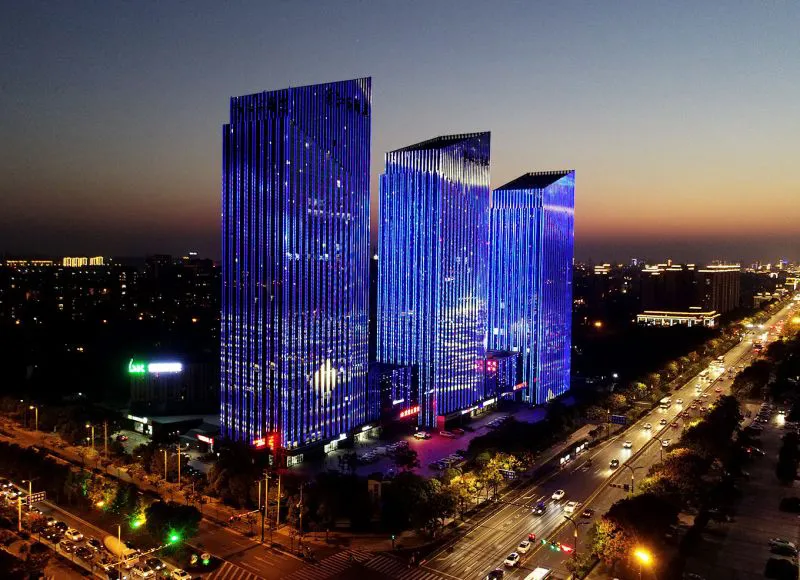
Case Study of Yangzhou Canal C...
-
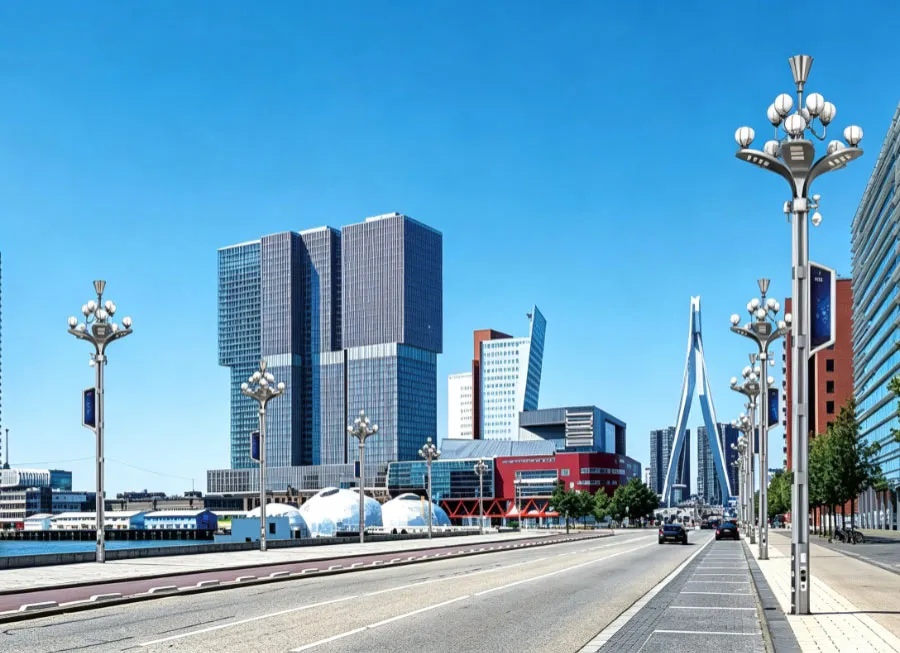
Smart City Lighting Solutions
-
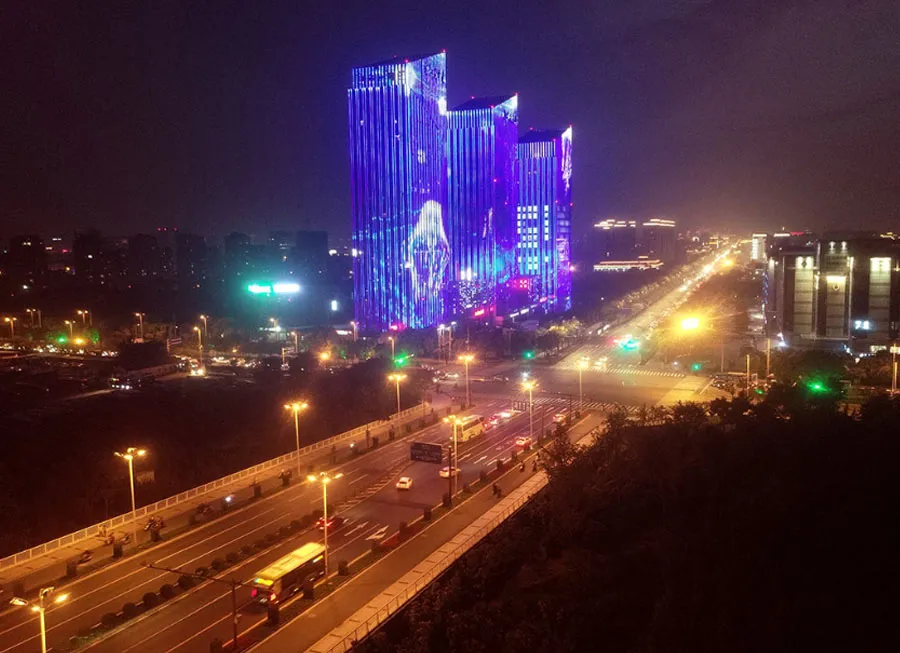
Urban Landscape Lighting Solut...
-
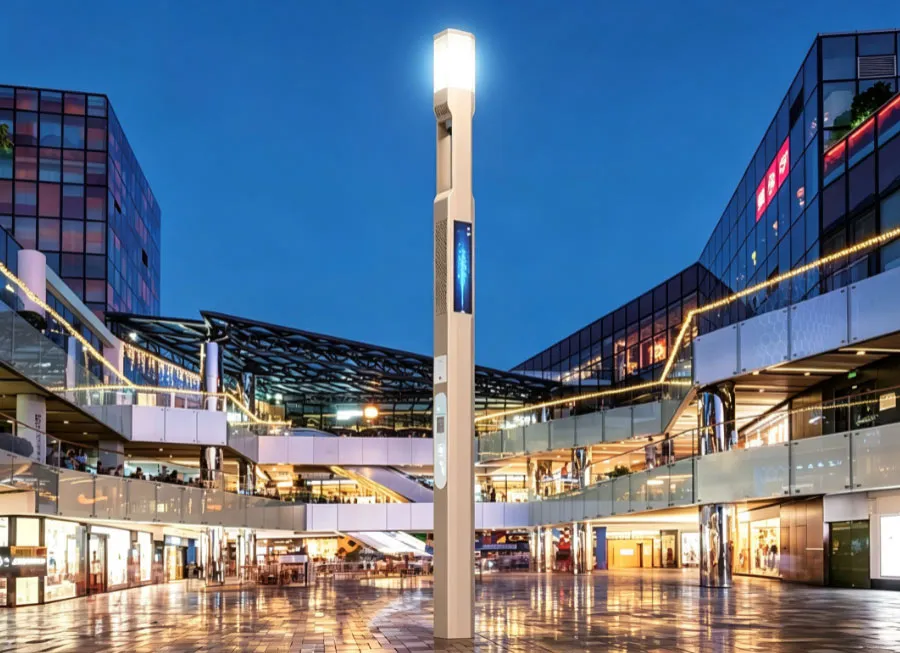
Commercial Lighting Solutions
-
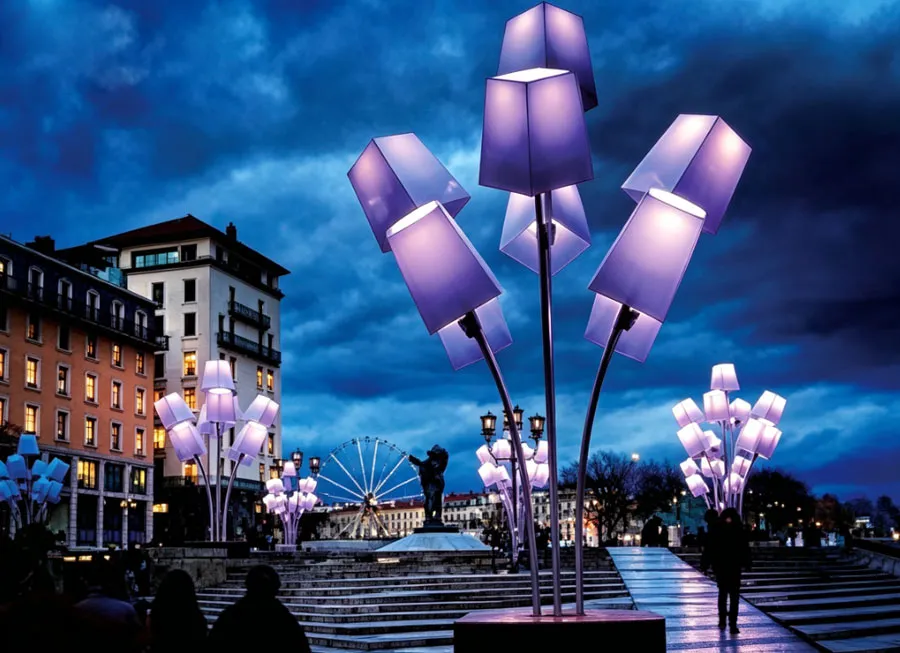
Park Lighting Solutions
วีดีโอ
การจัดหมวดหมู่:
ไม่มีผลการค้นหา!
ดาวน์โหลด
การจัดหมวดหมู่:
ไม่มีผลการค้นหา!
รับสมัครงาน
การจัดหมวดหมู่:
ไม่มีผลการค้นหา!
ผลิตภัณฑ์ที่แนะนำ
ไม่มีผลการค้นหา!


